
On December 4, 2025, Ilina Bareja and Natalija Bogunovic attended the Oncode Accelerator Summit in Utrecht. The summit brought together researchers, clinicians, industry partners, patient representatives, and policymakers around the theme “From innovation to impact.”
Attending the summit offered a valuable opportunity to reflect on the evolution of translational cancer research. It also highlighted how innovation can be more effectively connected to development pathways and patient benefit, particularly as the Oncode Accelerator moves into its next phase.
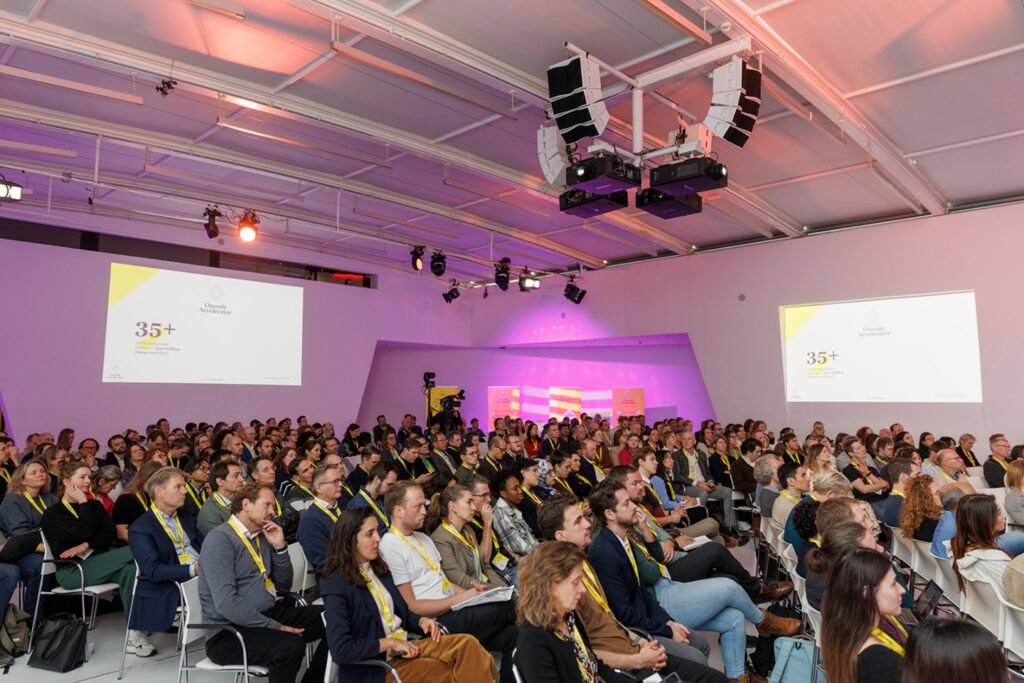
Key takeaways
From demonstration to application
Many discussions at the summit focused on the transition from early demonstrator projects to approaches that support real decision-making. While demonstrators remain important for testing feasibility and building confidence, their value increases when they are more closely linked to preclinical development, early clinical study design, and patient allocation.
This emphasis reflects a broader understanding that impact depends not only on generating innovation, but on embedding it within processes that support translation.
Preclinical models as part of a balanced toolkit
Preclinical development was a recurring topic during the summit. This included the role of human-relevant models alongside established approaches. Rather than framing these discussions around replacement, the focus was on how different models can complement each other across stages of development.
Their usefulness depends on whether they contribute to reliable results, efficient workflows, and regulatory confidence. Maintaining a diverse set of tools enables researchers and developers to select the most appropriate approach for specific questions, while continuing to build evidence where newer models may add value.
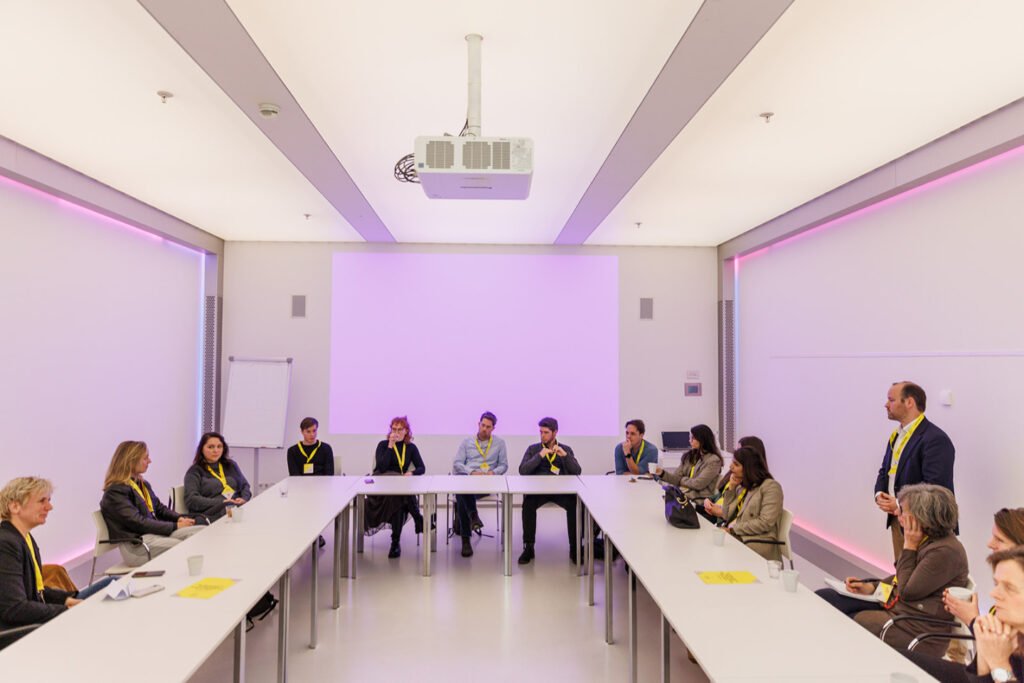
Photo credits: Seth Carnill
Collaboration across the ecosystem
A recurring message at the summit was the importance of collaboration between researchers, clinicians, industry partners, and regulators. Public-private partnerships play a key role in creating these connections, helping align expectations and link early innovation with practical implementation.
FFUND’s experience in supporting such collaborations shows that their value lies not only in funding, but in continuity and shared understanding across disciplines.
Keeping patient relevance in focus
The discussions also reinforced the importance of keeping patient relevance central throughout the research and development process. Closer engagement with patient cohorts and clinical practice can help inform priorities, strengthen study design, and improve the link between early research and later clinical impact.
Looking ahead
The Oncode Accelerator Summit highlighted that moving from innovation to impact requires attention to how science, funding, regulation, and clinical practice interact. Impact emerges when these elements reinforce one another.
As the Oncode Accelerator enters its next phase, maintaining this integrated perspective will be essential for supporting progress that translates into sustainable benefits for patients and healthcare systems alike.
